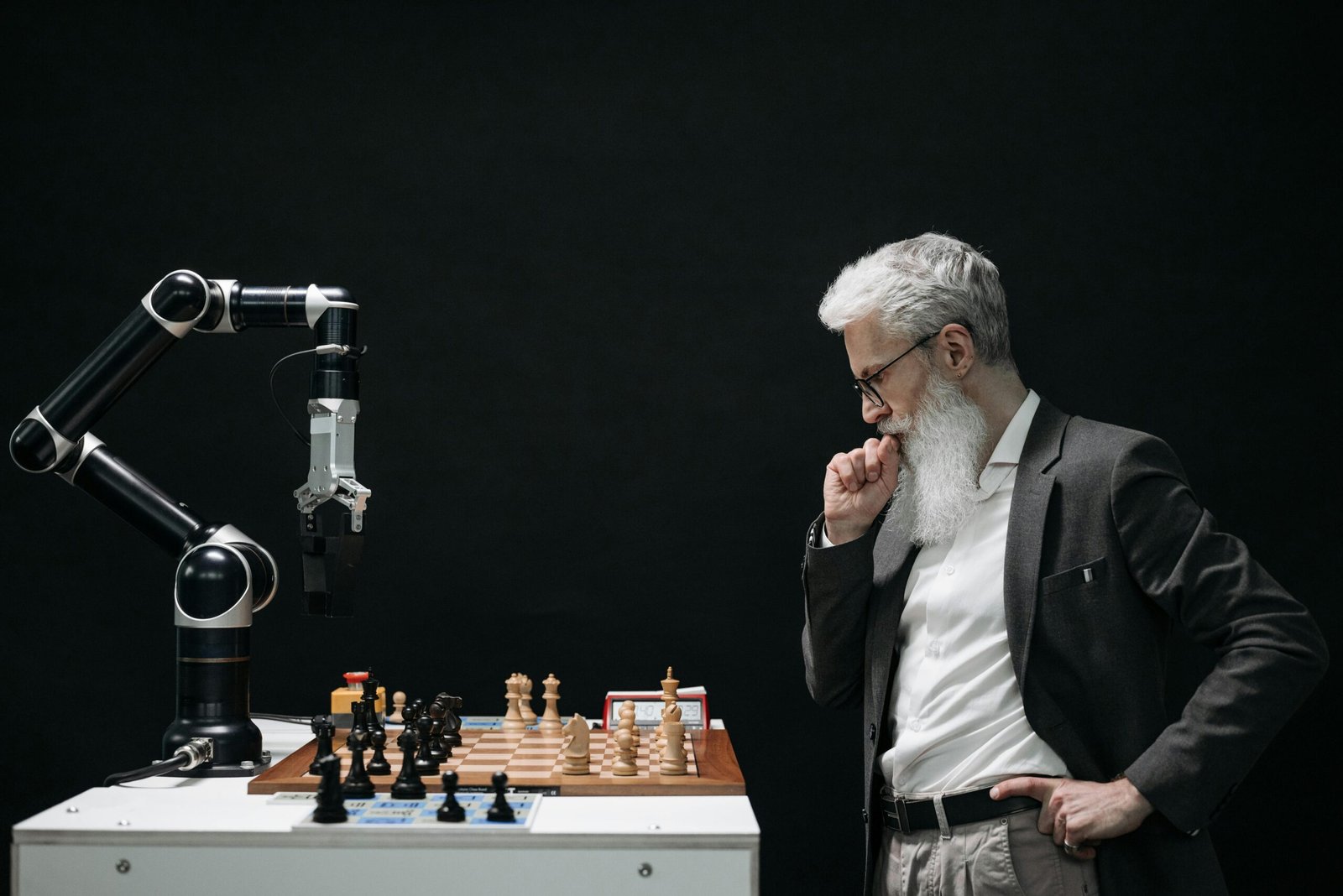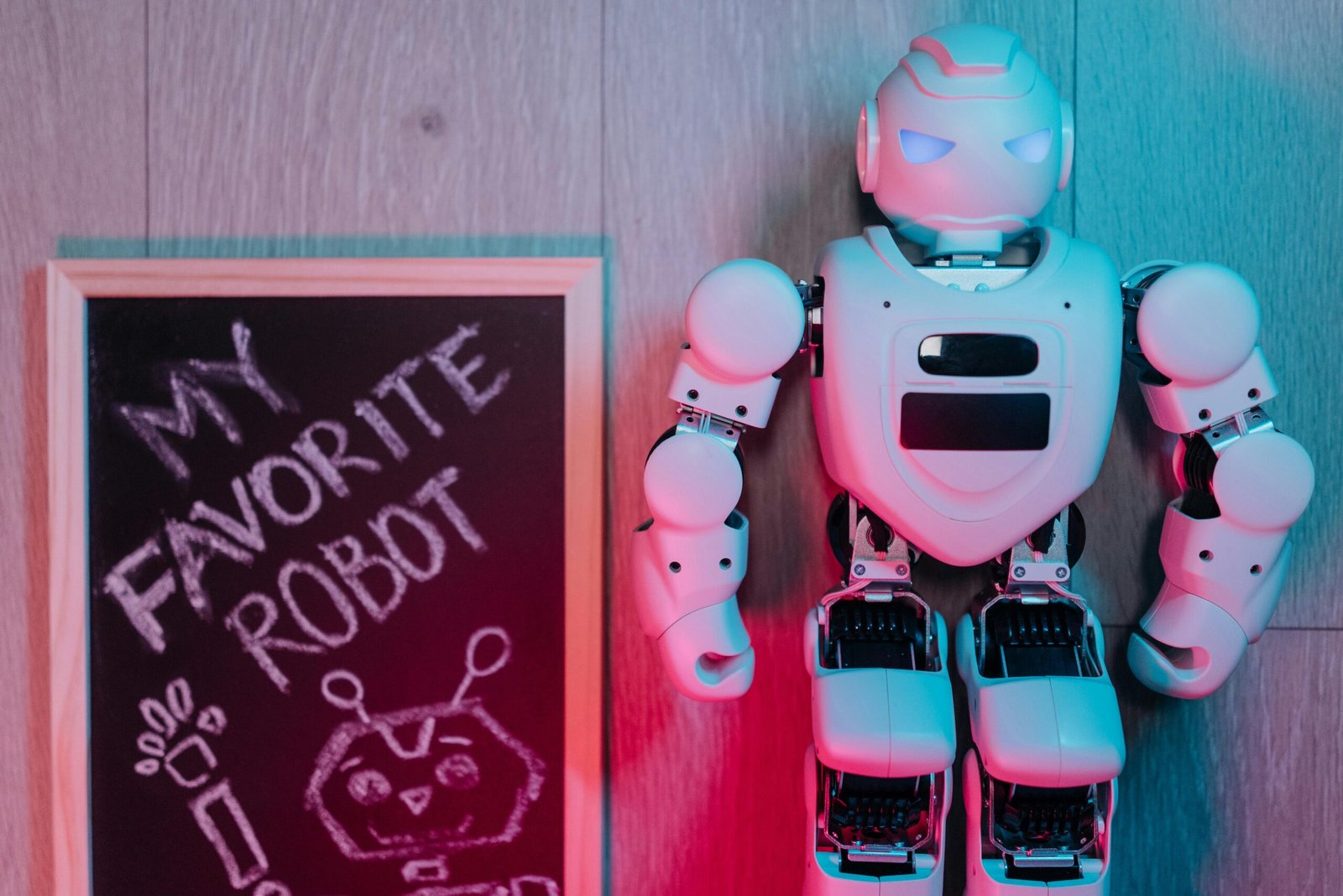
In a move that feels straight out of science fiction, the government of Albania has appointed Diella, an artificial intelligence system, to a cabinet-level position — the first of its kind anywhere in the world. Diella’s role, according to Prime Minister Edi Rama, is to improve transparency, combat corruption, and modernize how the state manages public contracts.
The announcement has attracted global attention not just because of the novelty of an AI minister, but also because of Rama’s metaphorical claim that Diella is “pregnant with 83 children” — a poetic way of describing the creation of 83 digital assistants meant to support each member of parliament.
What Is Diella?
Diella — a name derived from the Albanian word for “sun” — was first introduced as a virtual guide designed to help citizens navigate online government services. Over time, its abilities expanded to include data analysis, process automation, and procurement monitoring.
Now, as a formal “Minister of State for Artificial Intelligence,” Diella represents a bold experiment in how technology might take on administrative duties traditionally handled by humans. Her task is to ensure that public procurement — an area historically vulnerable to favoritism and inefficiency — becomes more objective, traceable, and data-driven.
The “83 Children” Explained
When the Albanian prime minister said Diella was “expecting 83 children,” he was not speaking literally. The phrase refers to a rollout of 83 AI-powered assistants, each designed to help a member of parliament track legislative sessions, summarize debates, and flag important updates.
In practice, these digital aides will function like personalized data companions — recording what happens in parliament, generating reports, and sending real-time insights to lawmakers.
Why This Matters
For Albania, Diella symbolizes a digital leap forward — a step toward rebuilding public trust through transparency and automation. The hope is that AI oversight will minimize opportunities for corruption and ensure that contracts and policies are based on merit rather than political influence.
But beyond Albania, the initiative raises important global questions. Could AI one day help manage government functions elsewhere? What happens when algorithms, rather than people, begin making decisions that affect millions?
Educational Lessons from Diella
For students, researchers, and educators, Diella’s appointment is more than a political curiosity — it’s a powerful case study. It touches on:
Governance and Policy Design: How technology changes traditional leadership structures.
Ethics and Accountability: Who is responsible when an AI makes a wrong call?
Law and Regulation: How do constitutional frameworks adapt when a non-human actor holds authority?
Sociology and Trust: Will citizens accept machine-mediated governance?
Classroom discussions could explore whether AI should be allowed to make binding decisions, or how governments can balance automation with democratic oversight.
Challenges Ahead
Even supporters admit that Diella’s role is experimental. Major questions remain:
Accountability: Who answers for the AI’s mistakes — the programmers, the prime minister, or the algorithm itself?
Transparency: AI decision-making must be explainable and auditable to earn public trust.
Symbolism vs. Substance: Some analysts view Diella as a public-relations move rather than a transformative reform.
Ethical Risks: Bias, data misuse, and privacy violations remain possible if oversight is weak.
A New Era of Governance
Whether Diella becomes a lasting model or a short-lived experiment, Albania has set a precedent. The appointment demonstrates a willingness to blend human leadership with machine intelligence — an idea that could reshape how governments worldwide think about efficiency, ethics, and accountability.