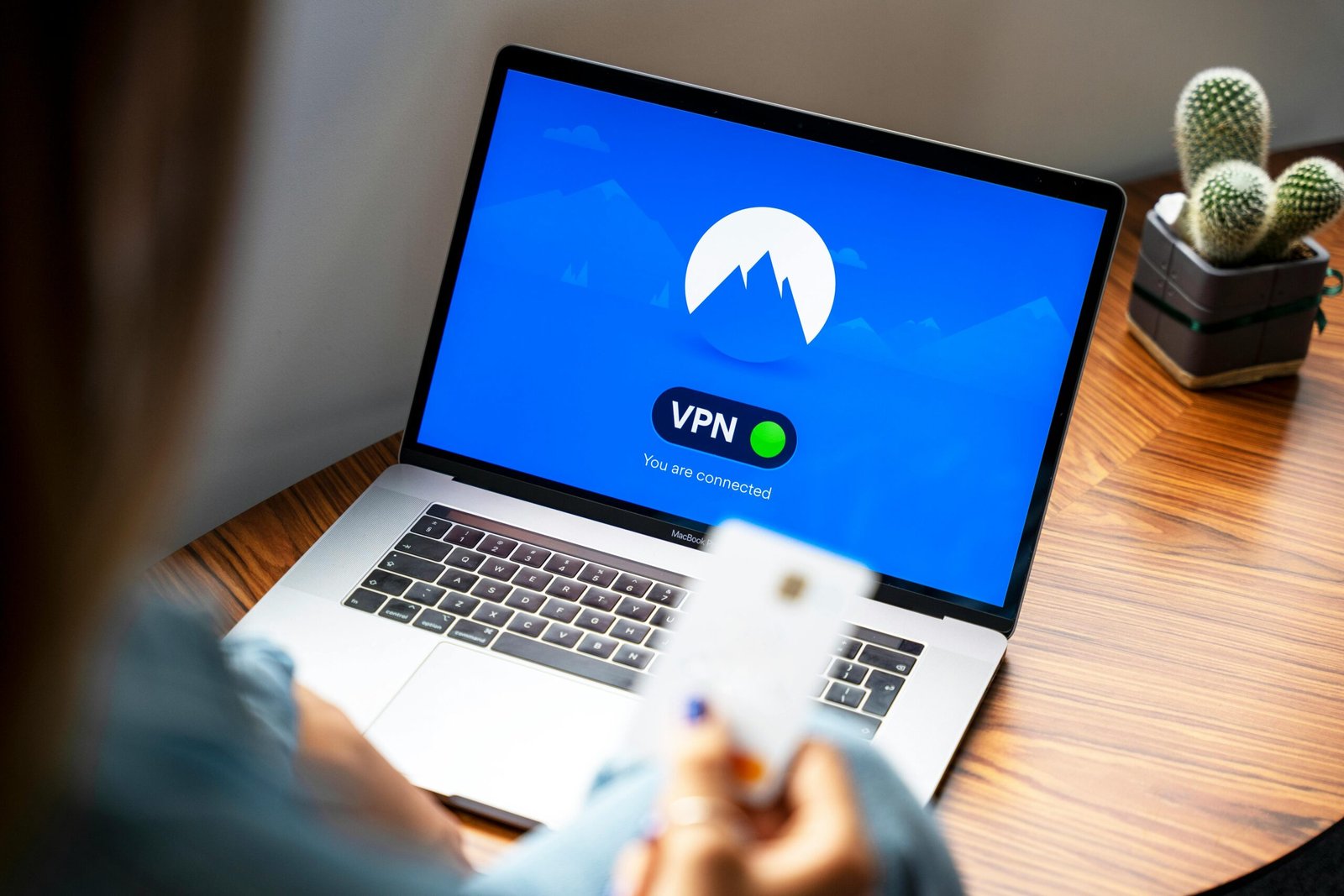
Understanding VPNs: A Comprehensive Guide
Today, keeping your personal information safe online is very important. Virtual Private Networks (VPNs) help protect your privacy and security while using the internet. As online threats continue to grow, it is helpful to understand how VPNs work and how they keep your data and online activity safer.
The Essence of VPNs
A VPN works like a private tunnel for your internet connection. It hides your data while it travels online, helping protect it from hackers or anyone trying to see your information. This is very useful when using public Wi-Fi, like at a coffee shop or airport, where internet connections are often less secure.
You can think of it like sending a secret message that only the right person can open and read. This secure connection is called a VPN tunnel, and it helps people use the internet safely and privately by protecting their data and hiding their online activity.
When you connect through a VPN server, your online activity becomes much harder to track, helping keep your personal information private and safe from others trying to watch what you do online.
How Does a VPN Work?
A VPN works through a few simple steps. First, the VPN app on your device creates a secure and encrypted connection with the VPN server.
This encryption is important because it keeps your data private and unreadable to anyone trying to intercept it. After the secure connection is made, the VPN server connects you to the internet, hiding your IP address and keeping your online activity protected.
The Significance of Encryption
It changes your data into a secret code that can only be understood by your device and the VPN server. This process uses advanced technology and security keys, making it very difficult for anyone else to read your information.
VPN Protocols: The Building Blocks of Security
VPN protocols control the process about data is sent through VPN. Each one has its own advantages and is used for different purposes. These protocols affect how secure and fast your connection is, and they help determine how well your data is protected.
The Benefits of Using a VPN
VPNs can also help you access websites or content that might be blocked in your area. They can stop your internet provider from slowing down your connection, so your speed stays more consistent. In addition, VPNs can sometimes help you find cheaper prices online by letting you appear as if you’re browsing from a different location, which may affect the cost of things like flights or hotels
Choosing the Right VPN
When choosing a VPN, it’s important to look at things like the company’s privacy policy, how many servers it has and where they are located, how strong its encryption is, and how easy it is to use. Popular VPN services like NordVPN, ExpressVPN, and Surfshark are highly rated, and each one offers different features to suit different needs.
Setting Up Your VPN
Using a VPN is usually very easy. After picking a provider, you download and install their app on your device. Then you sign in and choose a server to connect to. Once you’re connected, you can use the internet with more privacy and security.
The Future of VPNs
As technology improves, VPNs are also getting better. New and stronger encryption methods are being developed, and new protocols are being introduced. At the same time, companies are focusing on making VPN apps easier for people to use. In the future, VPNs are expected to offer even stronger security while staying simple and convenient for everyday users.
Different Types of VPNs:
In today’s world, since we do so much online, it’s very important to keep our personal information safe.
Protecting your online life is just as important as protecting your real-world belongings. As cyber threats become more advanced, it’s essential to keep your internet connection secure.
As someone interested in technology and digital privacy, I’ve explored different VPNs to learn how they protect online activity. In this guide, I’ll share what I’ve learned about the different types of VPNs, their features, and how they can help keep your internet use secure.
Site-to-Site VPN
In businesses, there are also Site-to-Site VPNs. These are used to connect the networks of two different office locations so they can share data and resources as if they were in the same place. There are two types: Intranet-based VPNs, which connect different offices of the same company, and Extranet-based VPNs, which connect a company’s network with partner companies or clients.
Client-to-Server VPN
Next, there are Client-to-Server VPNs, also called Virtual Private Dial-up Networks (VPDN). These are used when employees connect to a company’s private network through the internet. The employee connects to a server, which then gives access to the company’s internal system. It’s an older method, but it is still used in some situations.
VPN Protocols
These are the methods your device uses to connect to a VPN server. It’s one of the oldest protocols and works very fast, but it is not very secure compared to newer options.
Secure Socket Tunneling Protocol (SSTP) is useful because it can get around firewalls more easily. Finally, OpenVPN is one of the most trusted protocols because it is very secure and open-source, meaning anyone can review and improve it.
Consumer VPN Services
For everyday users, Consumer VPN services are the most common choice. They are made for personal use and help improve privacy and security while browsing the internet. They are usually simple to use and often come with easy-to-use apps for different devices.
Hardware VPNs
Hardware VPNs are physical devices that provide strong security and are usually used by large companies. They have built-in processors that handle encryption and decryption directly in the device, which makes them fast, reliable, and very secure.
Cloud VPNs
Finally, there are Cloud VPNs. As cloud computing has become more popular, these VPNs are used more often. They give secure access to cloud-based services and make sure that any data sent between the user and the cloud is encrypted and kept safe.
Conclusion
VPNs are an indispensable tool in the modern internet user’s arsenal. They provide a layer of security that is becoming increasingly necessary in an online world fraught with risks. By understanding how VPNs work and utilizing them effectively, we can protect our privacy and enjoy a safer browsing experience.
I hope this guide has provided you with a clearer understanding of the various VPNs available and how they can enhance your online experience. Stay safe and secure in your digital endeavors!